Exploring Soil Types for Container Gardening Success
Container gardening offers urban dwellers the opportunity to cultivate plants in limited spaces, but success largely depends on choosing the right soil type. This article explores different soil types, their characteristics, and how they can impact your container gardening experience.
Understanding Soil Types
Soil is a living ecosystem that plays a crucial role in plant health. According to research from the American Society of Horticultural Science, the right soil composition can significantly influence plant growth by providing essential nutrients and ensuring proper drainage. There are three primary soil types commonly used in container gardening:
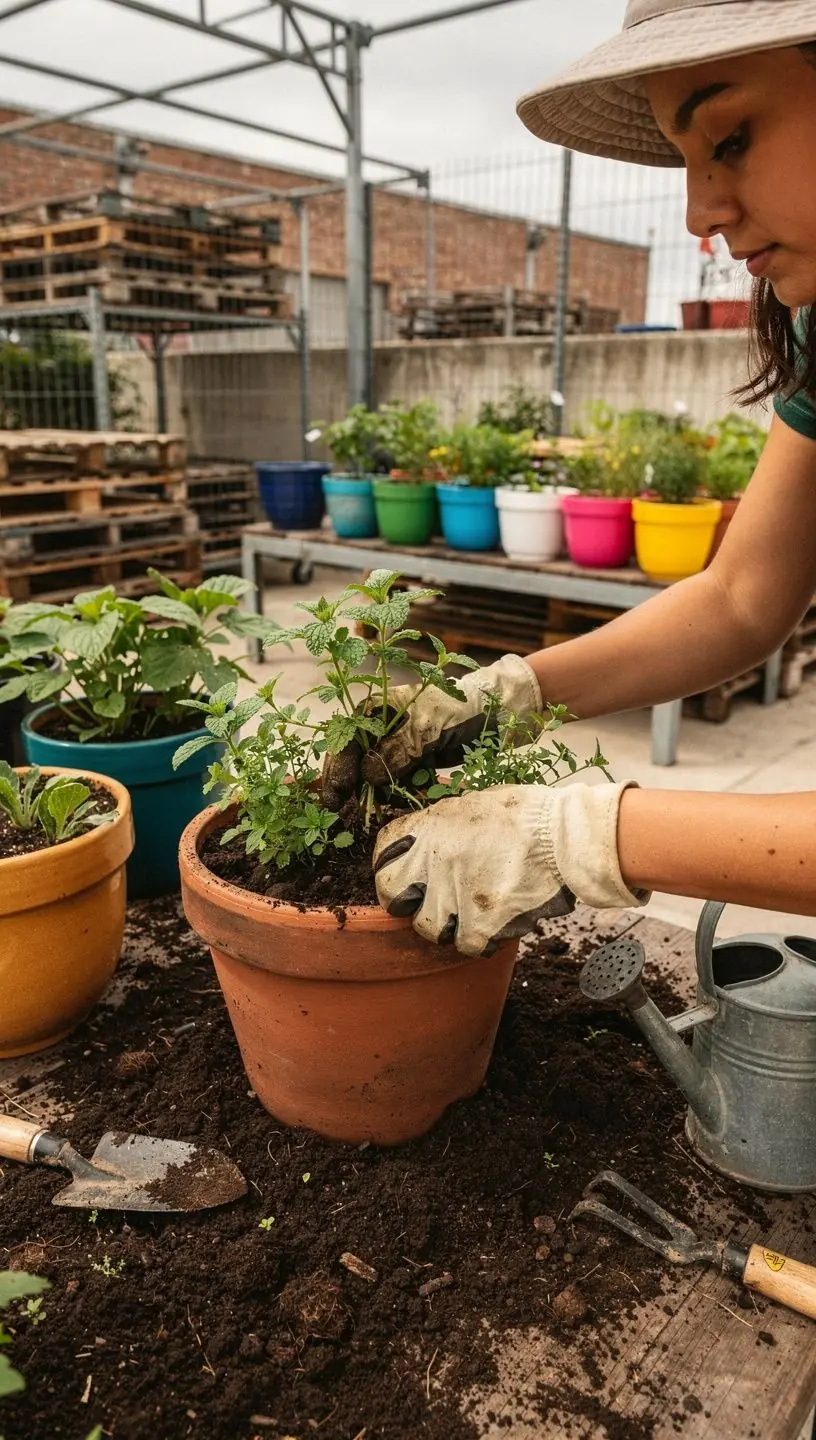
- Potting Soil: Typically a blend of peat moss, compost, and perlite, potting soil is designed to retain moisture while allowing for adequate drainage. Many users report that this type of soil promotes healthy root development.
- Garden Soil: This is often heavier and denser, which may not be suitable for containers as it can retain too much moisture. In most cases, garden soil should be amended with organic matter to improve its texture.
- Soilless Mixes: This includes materials like coconut coir and vermiculite. Soilless mixes are lightweight and offer excellent drainage, making them ideal for container gardening. Studies show that using soilless mixes can enhance growth rates and yield in certain crops.
"The right soil type is essential for optimizing growth conditions in container gardening." - Horticultural Experts
Choosing the Right Soil for Your Plants
Selecting the appropriate soil type depends on several factors, including the type of plants you want to grow and your specific gardening conditions. Here are some tips:
- Consider Plant Needs: Research the specific requirements of your plants. For instance, succulents and cacti benefit from well-draining soil, while moisture-loving plants may thrive in potting soil that retains some moisture.
- Understand Local Climate: If you live in a particularly humid area, a lighter, well-draining mix may be more effective. Conversely, in dry climates, a soil that retains moisture can help keep your plants hydrated.
- Amendments Matter: Adding organic materials such as compost can improve soil fertility and structure. According to experts, incorporating compost can enhance microbial activity and nutrient availability, leading to healthier plants.
Practical Steps for Soil Preparation
Preparing your soil before planting is essential for success. Here’s a step-by-step process:
- Choose the Right Container: Ensure your container has adequate drainage holes to prevent waterlogging.
- Mix Ingredients: If using a blend, combine potting soil with any additional amendments, following recommended ratios based on plant needs.
- Test Soil pH: Using a soil pH meter can help determine if your soil is suitable for the types of plants being grown. Most plants prefer a pH between 6.0 and 7.0.
Conclusion
Understanding soil types is a fundamental aspect of container gardening that can significantly affect your plants' success. By selecting the right soil and preparing it properly, you can create an environment conducive to growth. Remember that gardening is a learning process; it may take time to find the perfect soil mix for your container garden. However, with dedication and attention to your plants' needs, you can cultivate a thriving urban garden.
Discover More