Steps to Create a Sustainable Urban Garden
Urban gardening has gained popularity as more people seek to cultivate green spaces in limited areas. This article explores the steps to create a sustainable urban garden, providing practical insights and realistic expectations to help you embark on this rewarding journey.
Understanding the Basics
Creating a sustainable urban garden begins with understanding the principles of sustainability and how they apply to gardening. According to research by the American Community Gardening Association, urban gardening can significantly reduce food miles and foster community connections. Sustainability in gardening involves practices that maintain ecological balance, such as using native plants, organic gardening techniques, and efficient water use.
"Sustainable gardening practices not only benefit the environment but also contribute to personal well-being and community resilience." - Urban Gardening Expert
Step-by-Step Guide
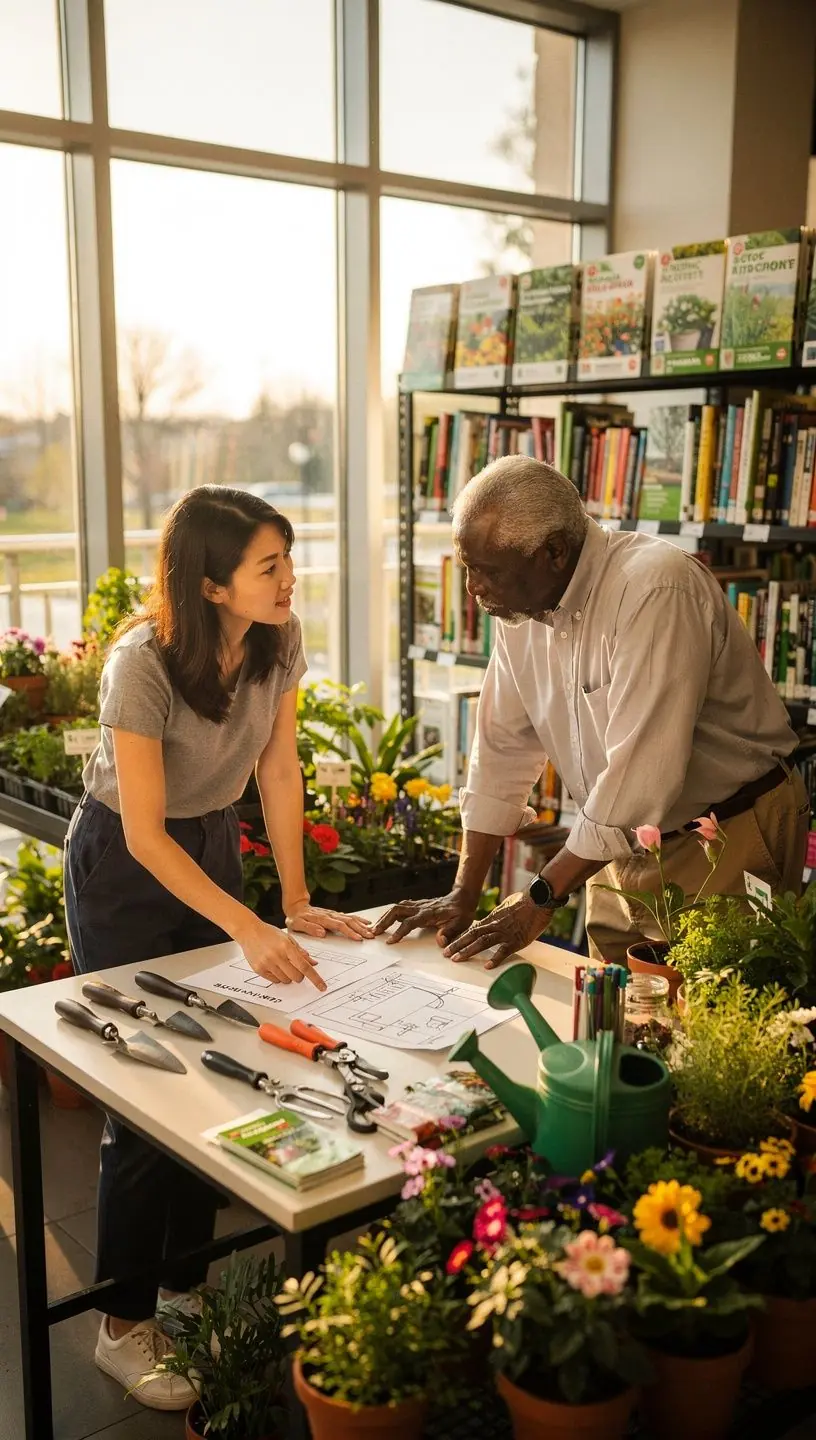
- Assess Your Space: Determine how much space you have available for gardening, whether it’s a balcony, rooftop, or a small yard. According to experts, even small spaces can yield productive gardens when well-planned.
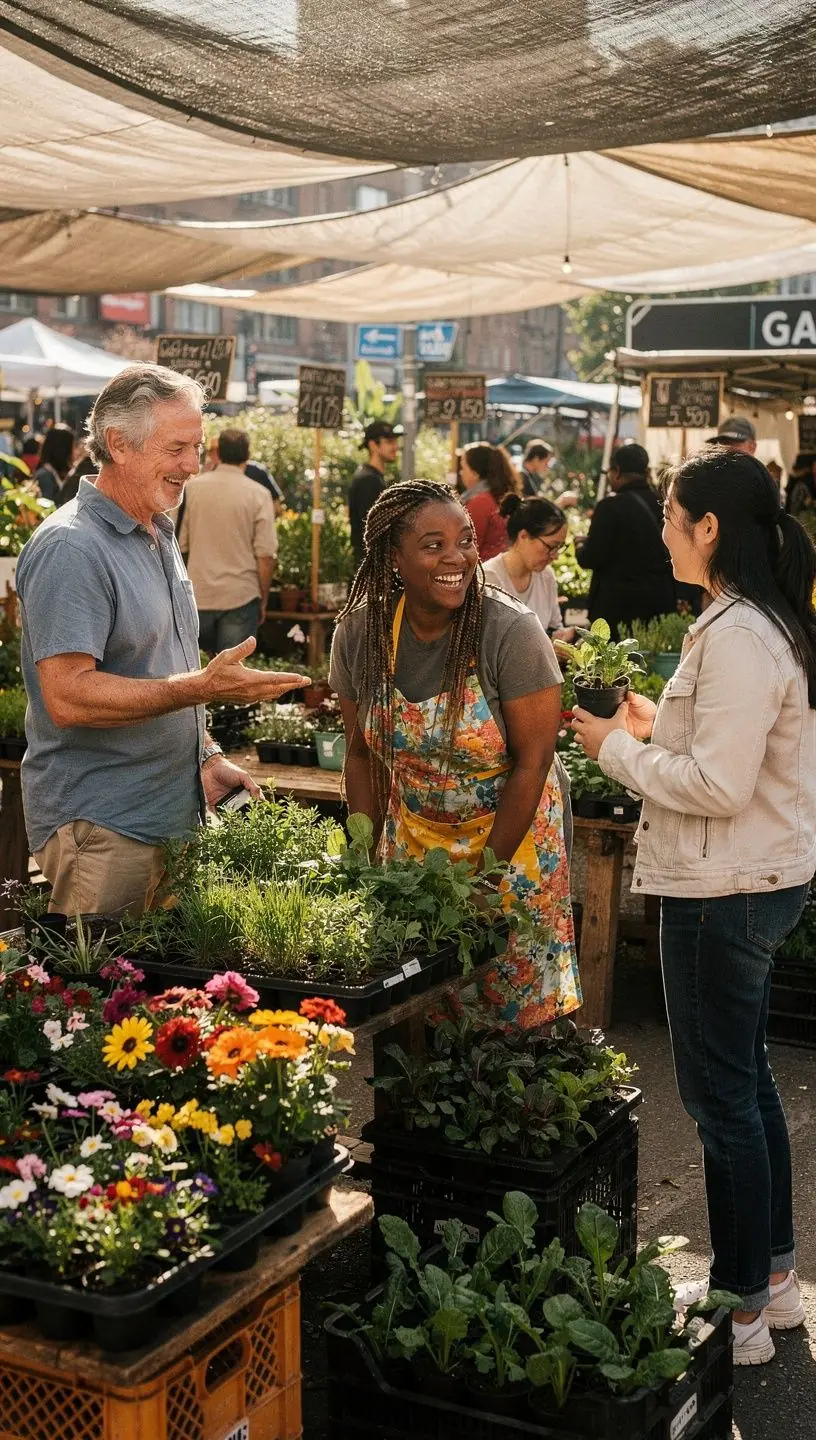
- Choose the Right Plants: Select plants that are suitable for your climate and conditions. Many users report success with herbs, vegetables, and native flowers, which typically require less water and are more resilient to local pests.
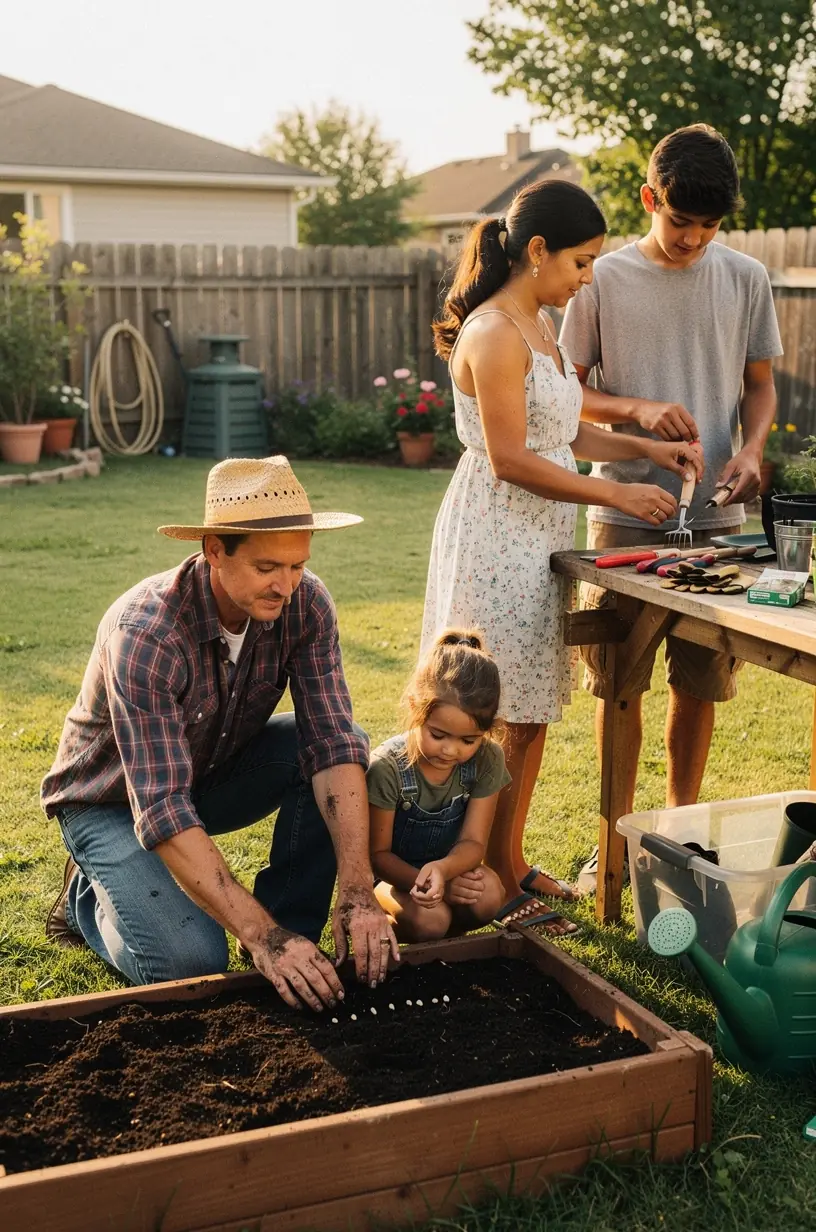
- Utilize Sustainable Practices: Implement organic gardening practices, such as composting and using natural pest deterrents. Research indicates that these methods can improve soil health and biodiversity, essential for a thriving garden.
- Water Wisely: Employ water conservation techniques such as drip irrigation or rainwater harvesting. Studies show that these methods can reduce water usage by up to 50%, making them both eco-friendly and cost-effective.
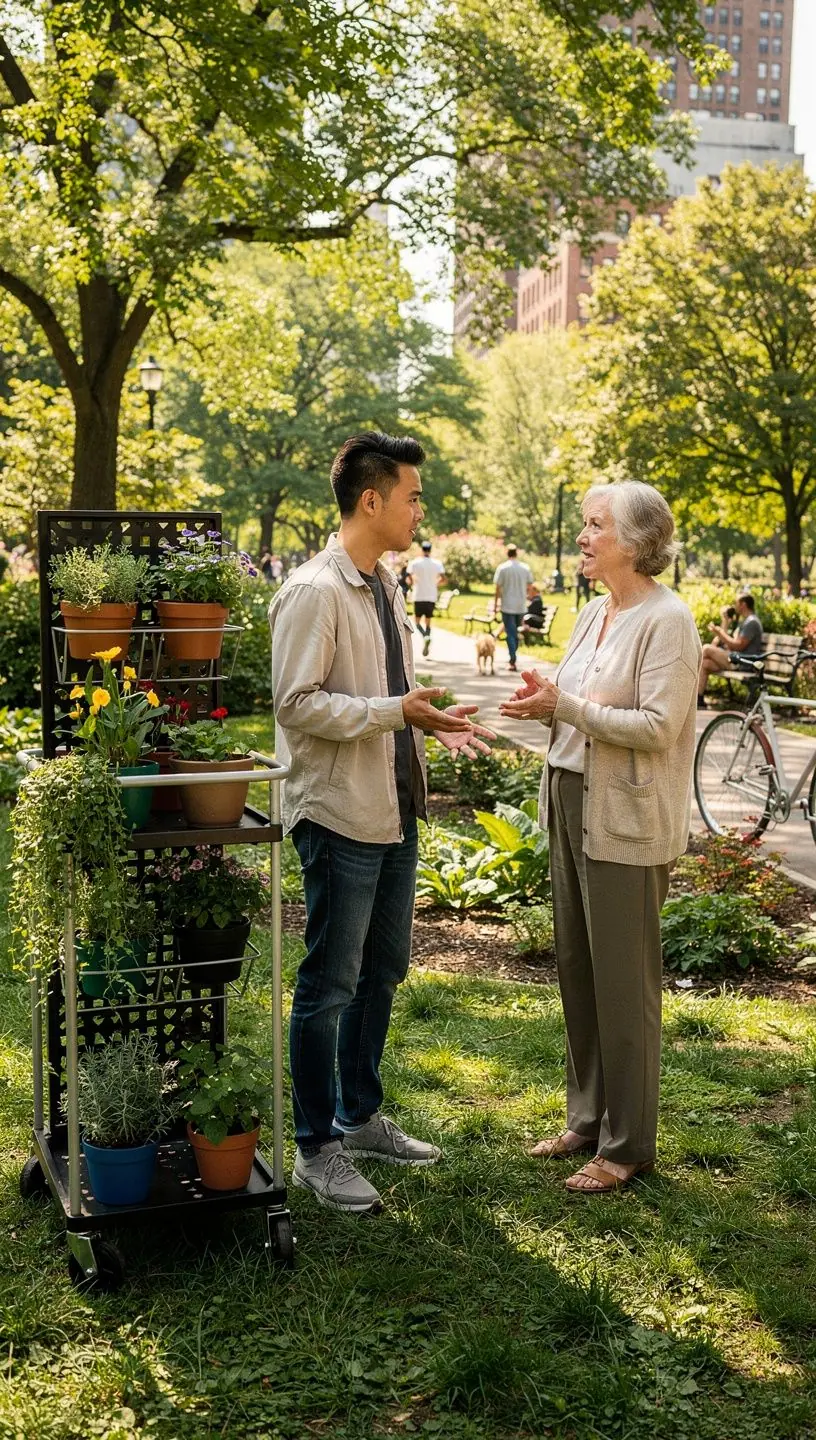
- Engage with Your Community: Connect with local gardening groups or community gardens. According to research, community involvement can enhance the gardening experience and provide valuable resources and knowledge sharing.
Maintaining Your Urban Garden
Once your garden is established, ongoing maintenance is essential. This involves regular watering, pruning, and harvesting. Typically, a sustainable urban garden requires a commitment of about 1-2 hours each week for maintenance, depending on its size and the number of plants.
Experts recommend rotating crops and diversifying plant selections to prevent soil depletion and pest infestations. This approach not only sustains the health of your garden but can also increase yield.
Conclusion
Creating a sustainable urban garden is an achievable endeavor that can significantly enhance your living space and contribute positively to the environment. By following these steps and applying sustainable practices, you can cultivate a thriving garden that benefits not just you but your community as well. As always, patience and dedication are key, and results typically emerge within a few months as your garden matures.