How Urban Gardening Centers Support Local Communities
Urban gardening centers are becoming pivotal in supporting local communities by providing resources for sustainable gardening practices, fostering community engagement, and promoting food security. This article explores the various ways these centers can benefit urban areas.
Understanding the Role of Urban Gardening Centers
Urban gardening centers typically serve as hubs for education, equipment, and support for individuals interested in gardening. According to research conducted by the American Community Gardening Association, these centers can facilitate community building and improve access to fresh produce in urban settings. This is particularly important in cities where access to healthy food options can be limited.
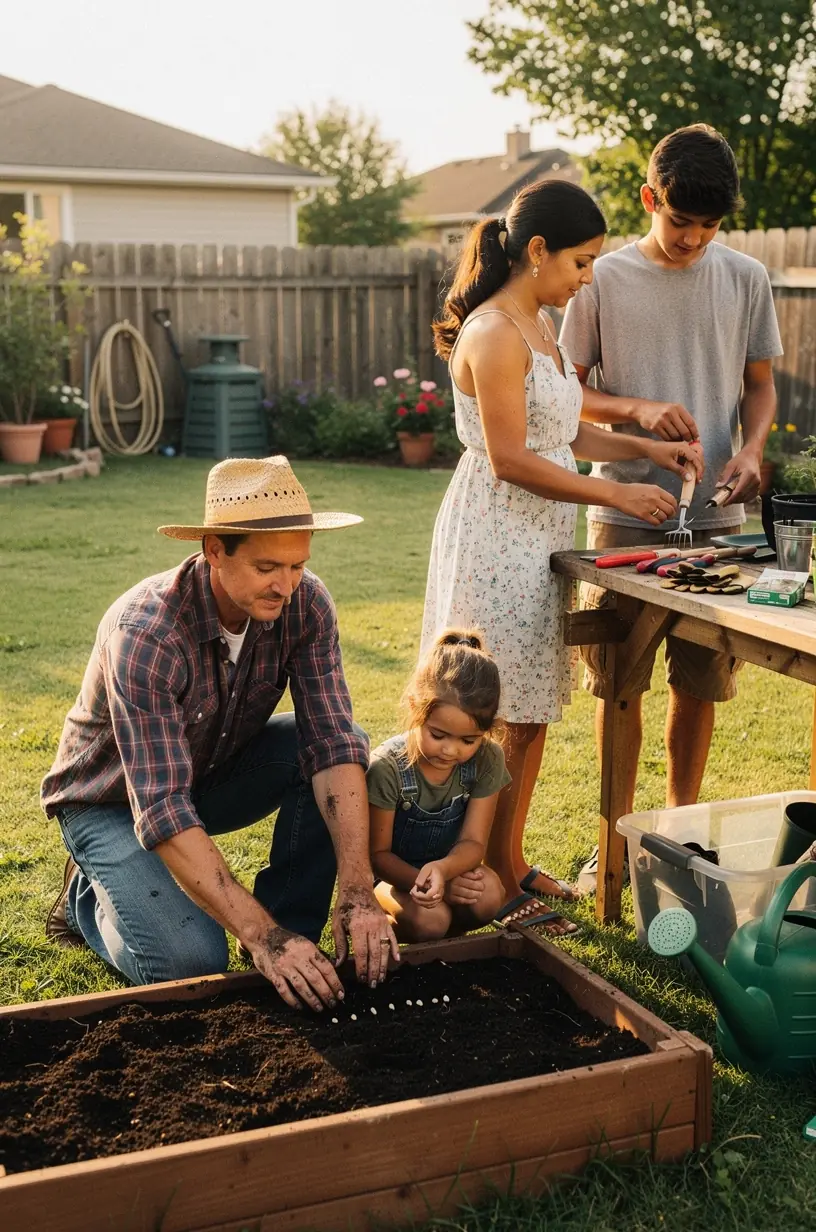
"Community gardens not only provide fresh produce but also foster social connections among diverse groups." - Urban Agriculture Expert
Benefits of Local Gardening Initiatives
Urban gardening centers can empower residents in several ways:
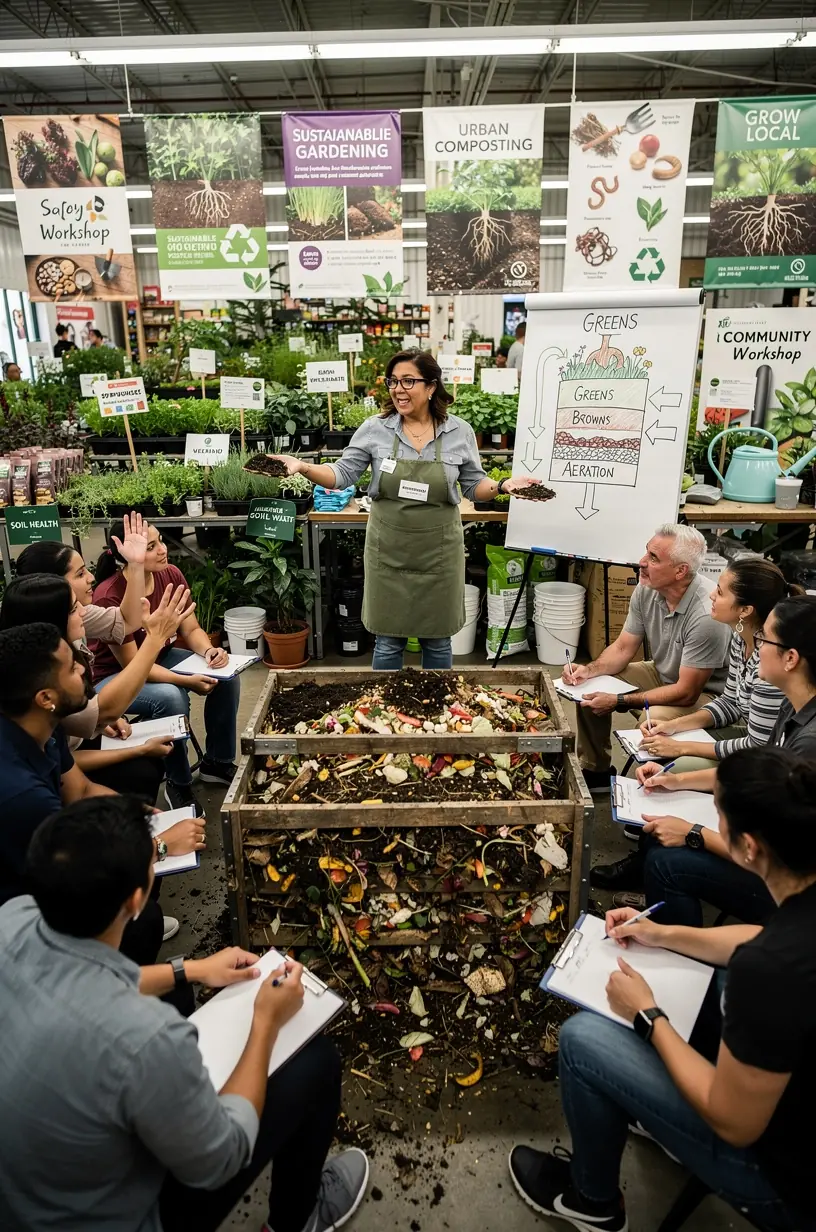
- Education and Skill Development: Many centers offer workshops and consultations that educate community members about gardening techniques, pest management, and sustainable practices. Studies show that hands-on learning can significantly enhance retention of knowledge.
- Access to Resources: These centers often provide access to tools and supplies that may otherwise be unaffordable. For instance, according to industry standards, community gardens that partner with local gardening centers typically see improved productivity and crop quality.
- Fostering Community Engagement: Participating in community gardening projects encourages collaboration among residents. This social interaction can lead to stronger community ties, which research indicates is essential for building resilient neighborhoods.
Implementing a Balcony Garden Setup
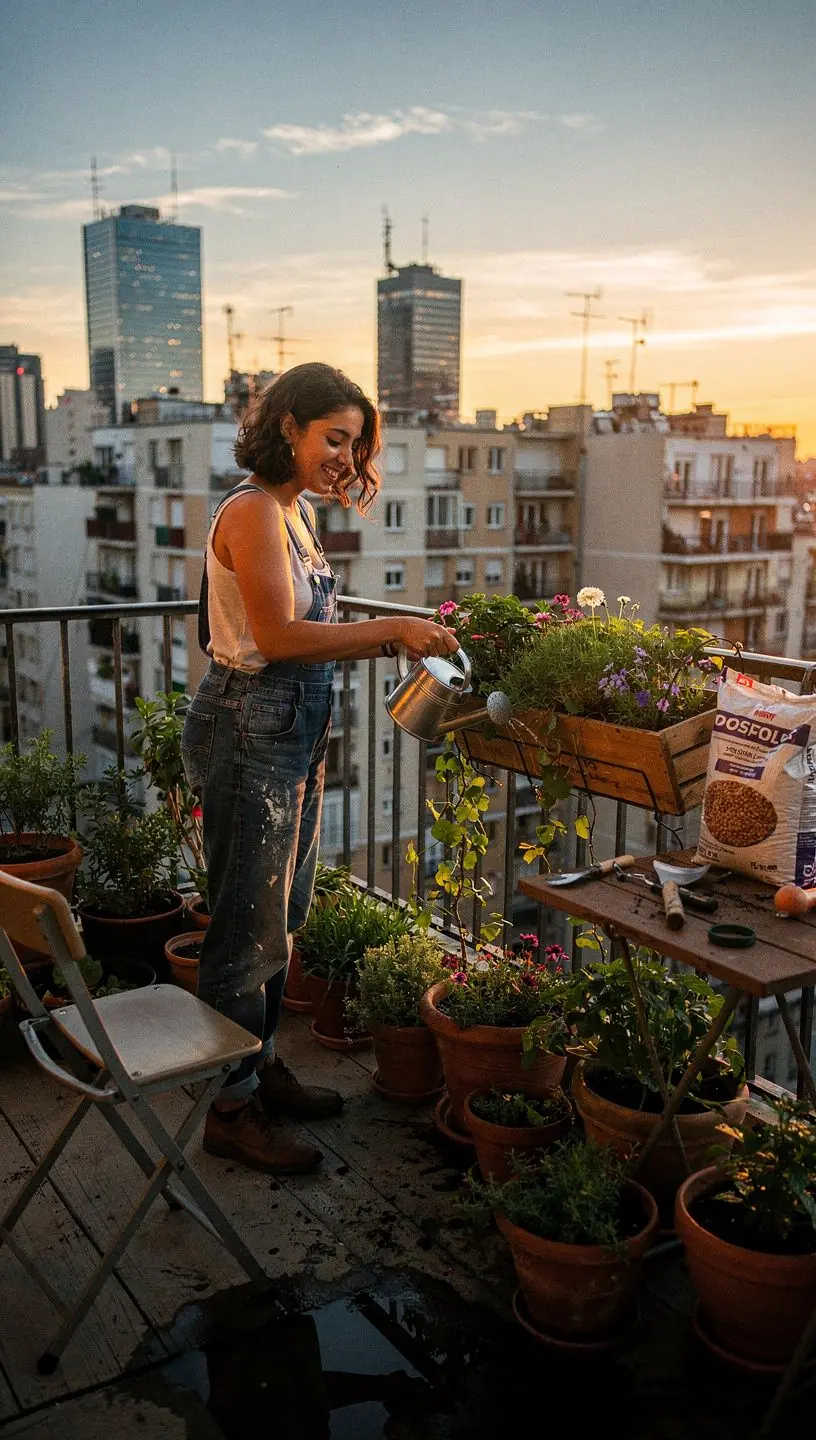
For those with limited space, such as apartment dwellers, urban gardening centers often provide guidance on setting up balcony gardens. Here’s how you can get started:
- Consult with Experts: Visit your local gardening center for consultations tailored to your specific environment and plant preferences.
- Select Appropriate Containers: Use pots that suit your space constraints. Most experts recommend using containers that offer good drainage and are made from breathable materials.
- Plan Your Garden Layout: Consider the sunlight your balcony receives. Many practitioners suggest starting with herbs and small vegetables, as they often thrive in limited space and provide great yield for minimal effort.
Challenges and Considerations
While urban gardening centers provide significant benefits, it is important to acknowledge some challenges:
- Many users report a learning curve associated with starting a garden. It typically takes several weeks to see plants establish and begin producing, requiring patience and ongoing care.
- Not all urban spaces are suitable for gardening. Factors such as limited sunlight, poor soil quality, or inadequate water supply can hinder success. It is essential to assess your specific situation before beginning.
Conclusion
Urban gardening centers play a crucial role in supporting local communities by providing educational resources, improving access to gardening supplies, and fostering social connections. By engaging with these centers, residents can develop valuable skills, promote sustainability, and enhance food security in their neighborhoods. While challenges exist, the potential benefits far outweigh the limitations, making urban gardening a worthwhile endeavor for many.