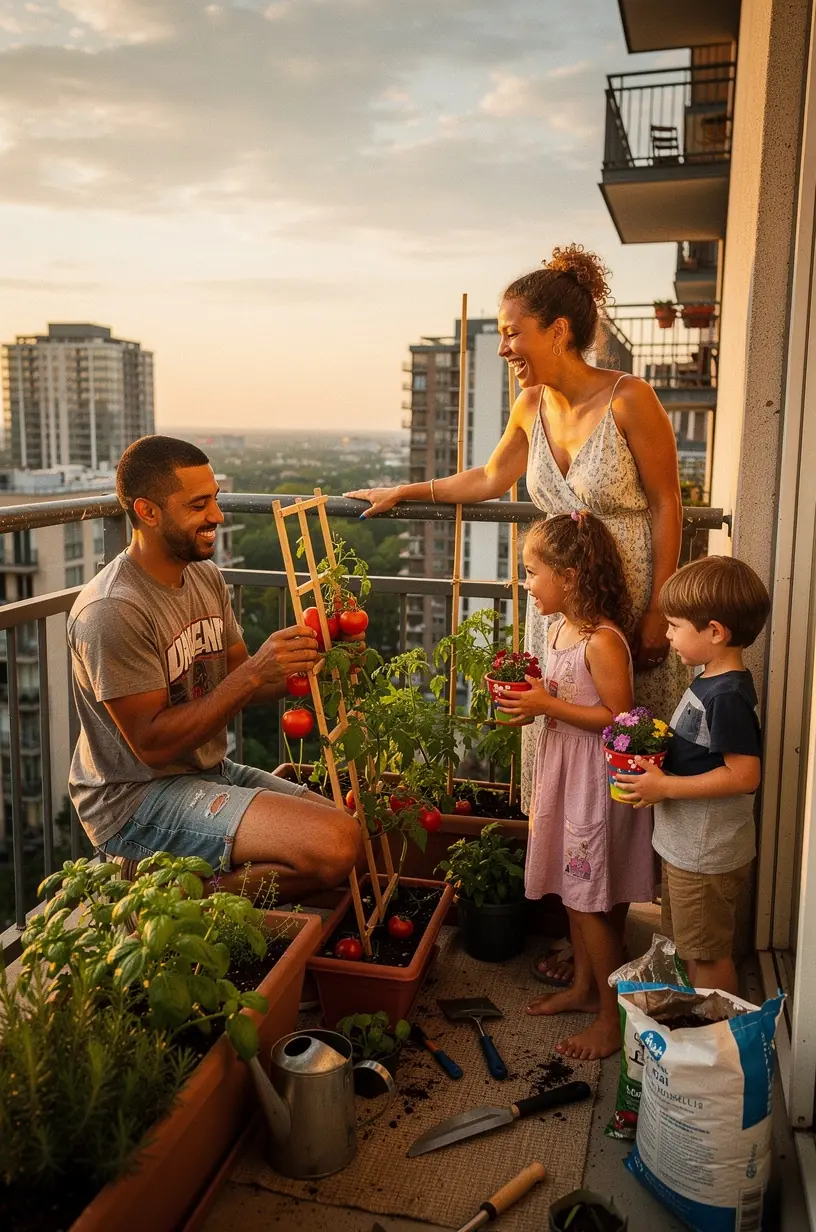
Practical Guide to Vertical Gardening in Urban Areas
Vertical gardening is becoming increasingly popular in urban settings where space is limited. This guide will explore effective methods, materials, and tips for creating a flourishing vertical garden, with insights based on expert recommendations and industry standards.
Understanding the Basics of Vertical Gardening
Vertical gardening involves growing plants upwards rather than outwards, making it suitable for small spaces commonly found in urban areas. According to research by the American Society of Landscape Architects, vertical gardens can help improve air quality and support biodiversity, enhancing the urban environment. Additionally, experts recommend this method for maximizing sunlight exposure, which is essential for plant growth.
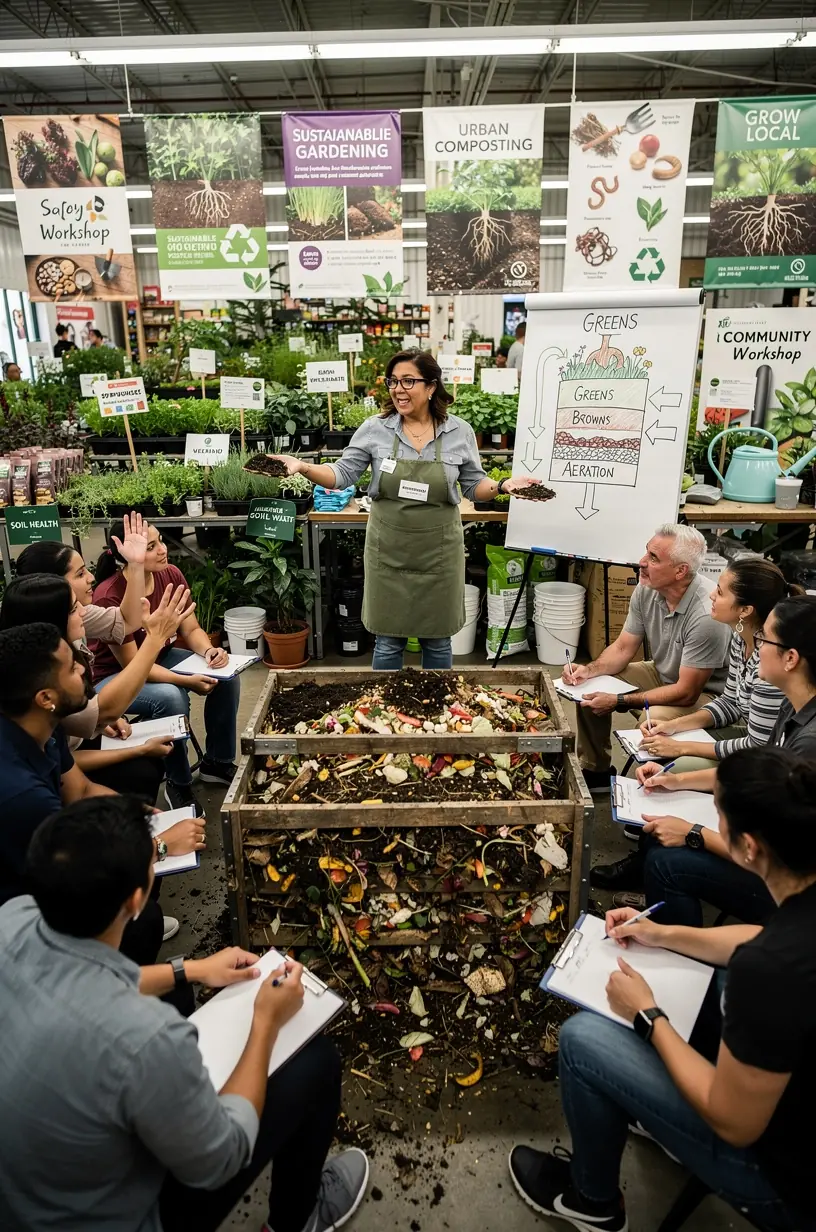
"Vertical gardens can reduce urban heat islands, making cities more livable and sustainable." - Urban Gardening Expert
Essential Components for a Vertical Garden
To create a successful vertical garden, you will need several key components:
- Structural Support: This can include trellises, wall-mounted planters, or stacked containers. Choose materials that are durable and weather-resistant.
- Soil and Fertilizers: Use high-quality potting mixes that retain moisture but also provide adequate drainage. Many users report improved plant health with organic fertilizers.
- Plant Selection: Opt for plants that thrive in vertical setups, such as herbs, strawberries, and climbing varieties like peas and beans.
Steps to Create Your Vertical Garden
Here's a step-by-step approach to establish your vertical garden:
- Choose a Location: Identify a spot that receives sufficient sunlight, typically 6-8 hours a day, which is crucial for most plants.
- Install Your Structure: Secure your trellis or wall planter to ensure stability. This may involve some basic tools and a few hours of work.
- Add Soil and Plants: Fill your containers or attach soil pockets to your structure, then plant your selections according to their spacing needs.
- Water and Maintain: Vertical gardens require regular watering, especially during hot months. Take care to monitor moisture levels as the setup may dry out faster than traditional gardens.
Common Challenges and How to Overcome Them
While vertical gardening is rewarding, it comes with challenges that require attention:
- Watering: Vertical gardens may need more frequent watering. Experts recommend using a drip irrigation system for efficiency.
- Pest Management: Aphids and spider mites can be more prevalent in dense plantings. Regular inspections and organic insecticides can help manage these issues.
- Weight Considerations: Ensure that the structures you use can support the weight of the soil and plants, especially when wet.
Conclusion
Vertical gardening offers an effective way to utilize limited space in urban areas while providing numerous benefits for the environment and your home. By following the outlined steps and being aware of common challenges, you can create a vibrant vertical garden that enhances your living space. Remember, results may take some time to manifest, typically within a few months, as your plants establish themselves. With patience and care, your vertical garden can flourish.
Discover More